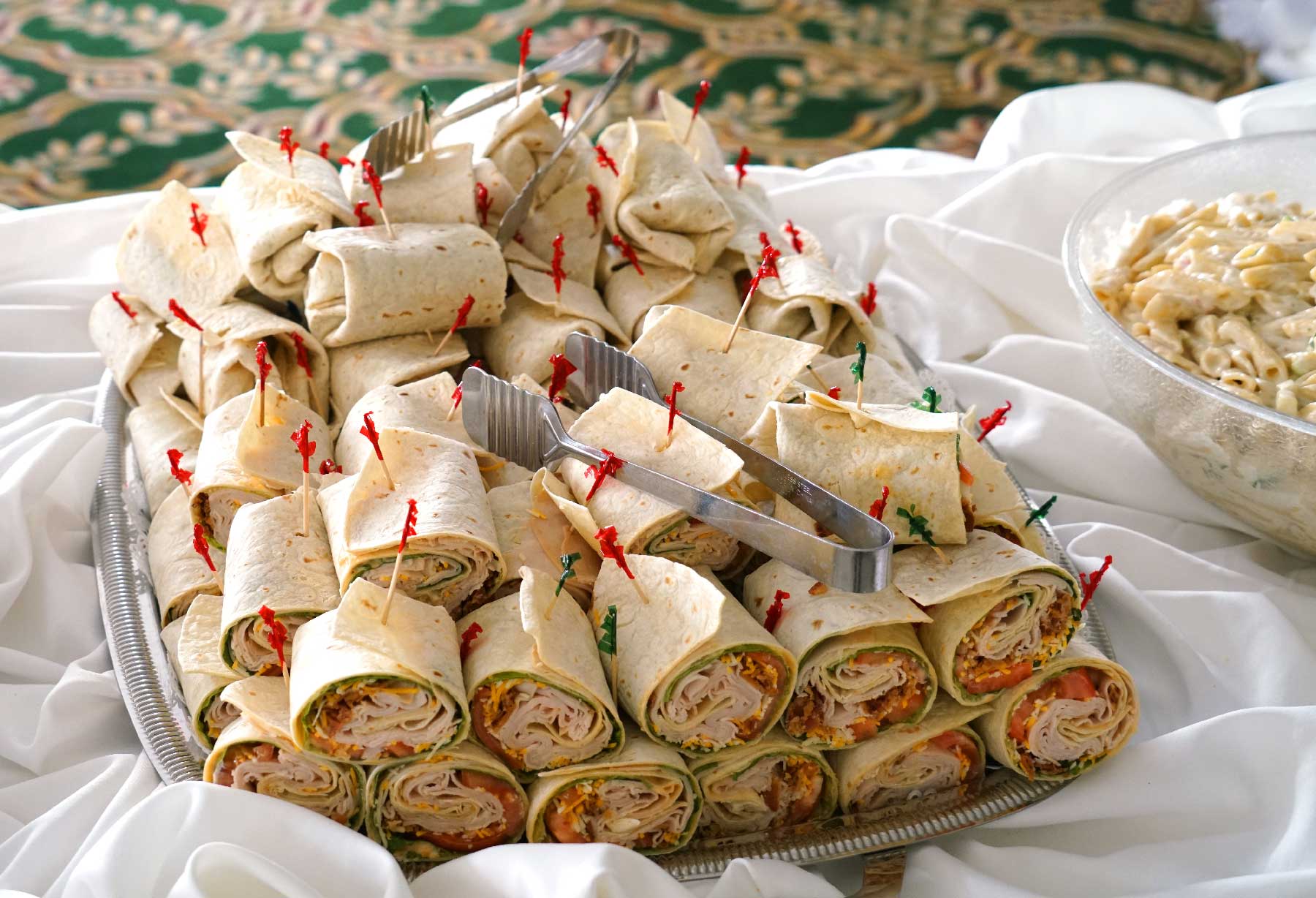


There’s a moment at every well-catered event when guests stop mid-conversation and stare. Not at the venue, not at the decorations, at the food table. A grazing table, done right, has that effect. It’s part centrepiece, part social catalyst, and entirely delicious.
If you’ve been wondering whether a grazing table is the right choice for your next event, you’re not alone. These beautiful spreads have moved well beyond the trend column and into the mainstream of event catering, and for good reason.
What Exactly Is a Grazing Table?
A grazing table is a large, styled spread of finger foods arranged across a table for guests to help themselves throughout an event. Think cured meats, artisan cheeses, seasonal fruits, crackers, dips, breads, nuts, olives, and sweet bites, all laid out in an abundant, visually rich display.
Unlike a formal sit-down dinner or a tray-service canape round, a grazing table invites guests to move, mingle, and return as often as they like. It creates a relaxed rhythm to an event that seated dining simply can’t replicate.
Why Grazing Tables Are Having a Major Moment
The numbers back up what event planners and hosts have been noticing. The global catering services market is estimated to be worth USD $674 million in 2025, projected to reach over $1 billion by 2035, and shared, interactive dining formats are a big part of that growth.
Industry experts are equally clear on the direction things are heading. According to Constellation Culinary Group’s culinary director, grazing tables in 2025 are replacing formal dinners, with curated spreads that offer guests a chance to explore diverse international flavours at their leisure. The same report notes that creative food displays are actively encouraging guests to photograph and share their experience, a natural bonus for any host who wants their event to make an impression beyond the room.
The appeal isn’t just aesthetic. Grazing tables work across almost every event type, weddings, corporate functions, milestone birthdays, product launches, baby showers, and Christmas parties. The format bends to suit the occasion rather than dictating the tone of it.
The Building Blocks of a Great Grazing Table
1. Start With a Strong Foundation of Flavours
The best grazing tables offer contrast, salty against sweet, creamy against crunchy, mild against bold. A well-rounded spread typically includes:
- Proteins: Cured meats like prosciutto, salami, and chorizo, alongside smoked salmon or shredded chicken bites
- Cheese: A mix of textures, something soft (brie, goat’s cheese), something firm (aged cheddar, manchego), and something with personality (blue cheese, smoked gouda)
- Fresh produce: Grapes, figs, sliced pear, strawberries, and cherry tomatoes add colour and freshness
- Bread and crackers: Sourdough slices, seeded crackers, and flatbreads give guests something to build on
- Accompaniments: Honey, quince paste, hummus, tzatziki, and various dips tie everything together
- Sweet finishes: Macarons, chocolate-dipped strawberries, or mini brownies give the table a complete feel
2. Get the Quantities Right
Getting the food volume right is one of the most common places hosts come unstuck. A reliable rule of thumb is to plan for 5–6 ounces of food per person for light grazing, or 8–10 ounces per person if the table is serving as the main meal. If it’s a cocktail hour running alongside other food service, you can reduce that to around 2–3 ounces per person.
Event duration also matters. A two-hour cocktail event needs less than a three-hour open gathering, simply because guests return to the table more often when there’s more time. A good working figure is 4–6 appetiser bites per guest, per hour.
When in doubt, err slightly generous. A full, abundant table photographs beautifully and signals hospitality. A sparse one signals the opposite, no matter how well the food.
3. Think in Layers and Heights
A flat table of food, however delicious, doesn’t have the same visual pull as one with dimension. Professional caterers build grazing tables the way designers build interiors, with varying heights, textures, and focal points.
Cake stands, wooden boards, tiered risers, and small crates all serve the same purpose: they lift elements off the surface and create a sense of abundance. Start with the tallest elements at the centre, and then work outward and downward toward the edges. Clustered groups of similar items look more intentional than scattering individual pieces across the table.
Bowls and ramekins give the table structure while keeping dips, olives, and small items contained. Fresh flowers, herbs, and greenery woven between food items soften the display and add a finishing touch that elevates the whole presentation.
4. Accessibility Matters
A beautiful table that’s difficult to navigate will frustrate guests. Allow roughly 2 feet of table length for every 10 guests if the grazing table is the primary food source, and position it so guests can access from both sides to prevent bottlenecks. Make sure serving utensils, napkins, and small plates are placed at regular intervals so guests aren’t reaching across each other.
If your event runs outdoors, plan for shade and food safety. In warm weather, items like soft cheese and cured meats need to be monitored and refreshed regularly.
Tailoring the Table to Your Event
Part of what makes a grazing table so appealing is how adaptable it is.
For a wedding: Lean into seasonal produce, florals, and an abundant feel. A long trestle table styled in white or neutrals becomes as much a part of the décor as the floral arrangements.
For a corporate event: Keep it clean and professional. Neat rows, labelled items, and a focus on crowd-pleasing options (rather than polarising ingredients) work well for mixed groups.
For a birthday or celebration: This is where you can have more fun. Colour-themed spreads, sweet-heavy sections, or internationally inspired boards (Mediterranean, Middle Eastern, antipasto) add personality that a standard catering format rarely allows.
As industry experts note, Mediterranean mezze, antipasto boards, and sushi stations are among the most popular directions for themed grazing spreads in 2025, all of which translate beautifully to a grazing table format.
What to Ask Your Caterer
If you’re working with a professional caterer to produce a grazing table, these are the questions worth asking before you sign anything:
- Can you accommodate dietary requirements such as gluten-free, vegan, or nut-free across the spread?
- How do you handle replenishment during the event?
- Do you style the table as part of the service, or is that separate?
- What’s your approach to food safety for items like soft cheese and meat during extended events?
- Can I see examples of previous grazing tables you’ve produced at a similar guest count?
A good caterer will have clear answers to all of these. The styling, the quantities, and the logistics are all part of the service, not afterthoughts.
The Lasting Impression
What sets a grazing table apart from other catering formats isn’t just the food. It’s the experience it creates. Guests tend to linger around a grazing table. They strike up conversations while reaching for the same brie. They photograph it. They come back to it. It becomes, in a small but genuine way, part of the memory of your event.
Done well, a grazing table isn’t just a practical food solution. It’s a statement about the kind of host you are: generous, thoughtful, and willing to go the extra step to make your guests feel genuinely welcomed.
That’s worth investing in.
Interested in a grazing table for your next event? Get in touch to discuss your guest numbers, event style, and dietary requirements — we’ll take care of everything else.
Delivery Sydney-Wide
We deliver delicious and affordable gourmet finger foods to areas right across Sydney, including: