
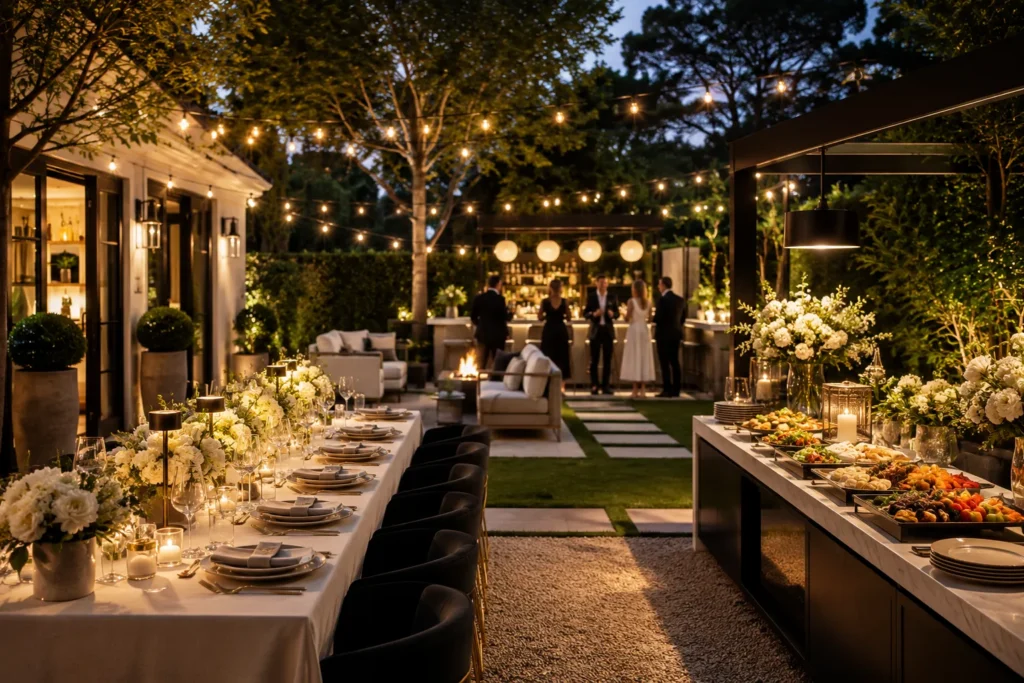
There’s a moment every host knows. You’ve spent days planning the perfect outdoor gathering, strung up the lights, set out the chairs, maybe even borrowed a folding table from a neighbour. Then the guests arrive, and everything is lovely, right up until the food comes out. Suddenly it looks less like a gathering and more like a school fundraiser. Paper plates, sad cling-wrapped platters, and a bowl of chips that’s already gone stale in the breeze.
It doesn’t have to be this way. A backyard party can feel genuinely elevated, not pretentious, just thoughtful, and the food is where that transformation happens. The secret, more often than not, is finger food catering done right.
Here’s how to pull it off.
Start With the Right Mindset: Food as Experience, Not Fuel
The biggest mistake people make when planning outdoor events is treating food as an afterthought. In reality, food sets the tone for how guests feel all evening. When it’s good, nobody talks about it; they just keep reaching for more, keep moving around the space, keep talking. When it’s underwhelming, people notice within five minutes.
According to a Toast survey of diners in 2024, 58% of respondents said food quality is the most important factor when choosing a catering service. Not the décor. Not the entertainment. The food. That’s a majority of your guests walking in already primed to judge what’s on the table.
So give it the attention it deserves.
Why Finger Food Works So Well Outdoors
Finger food, proper catered finger food, not a bag of pretzels, is genuinely one of the smartest choices for a backyard setting. Here’s why.
It keeps people moving. When guests aren’t tethered to a seat with a fork in hand, they circulate. They talk to people they haven’t met yet. The party has energy instead of that slow, heavy lull that happens after a sit-down meal. Canapés USA, who have spent years working on outdoor and private events, note that gatherings featuring finger foods consistently have more movement and organic conversation than those with formal dining setups.
It solves the logistics problem. Outdoors, you’re working against wind, bugs, uneven surfaces, and limited space. A sit-down dinner in a backyard requires military-level coordination. A well-planned finger food spread requires none of that. Guests help themselves, the flow is natural, and nobody is waiting on a third course while balancing a plate on their knee.
It handles dietary variety gracefully. Catered finger food can be labelled, organised, and varied in a way that makes it easy for guests with different dietary needs to navigate without feeling singled out or left out.
The Difference Between ‘Party Food’ and Catered Finger Food
This is where things matter most. Anyone can put out a platter of spring rolls from the supermarket. What separates a forgettable spread from one people remember is quality, presentation, and variety.
Think about the difference between a cold, soggy mini quiche and a freshly passed prawn skewer with a chilli-lime dipping sauce. Both are finger food. Only one feels like an event.
Professional catering brings:
- Freshness: food that’s prepared and timed properly, not sitting under cling wrap for three hours
- Presentation: serving pieces, garnishes, and arrangement that make the food look intentional
- Variety: a considered mix of hot and cold, light and substantial, familiar and interesting
- Dietary coverage: vegetarian, gluten-free, and other options woven into the menu, not bolted on as an afterthought
How Many Pieces Per Person (and Why It Matters)
Getting the quantity right is one of the most underestimated parts of planning a catered event. Too little and guests are searching for more food an hour in. Too much and you’ve wasted money.
A general rule of thumb: for a two-hour cocktail-style event, plan for 8 to 10 pieces per person. If the party runs longer, say three to four hours, especially in the evening, aim for 12 to 15 pieces. If finger food is replacing a main meal, go higher, around 15 to 20 pieces per person.
Your caterer should help you work this out based on your timing, guest profile, and whether you’re serving anything else alongside.
Presentation Makes It Feel Like an Event
This is the part most people overlook when they try to DIY it. The same food served two different ways can feel completely different.
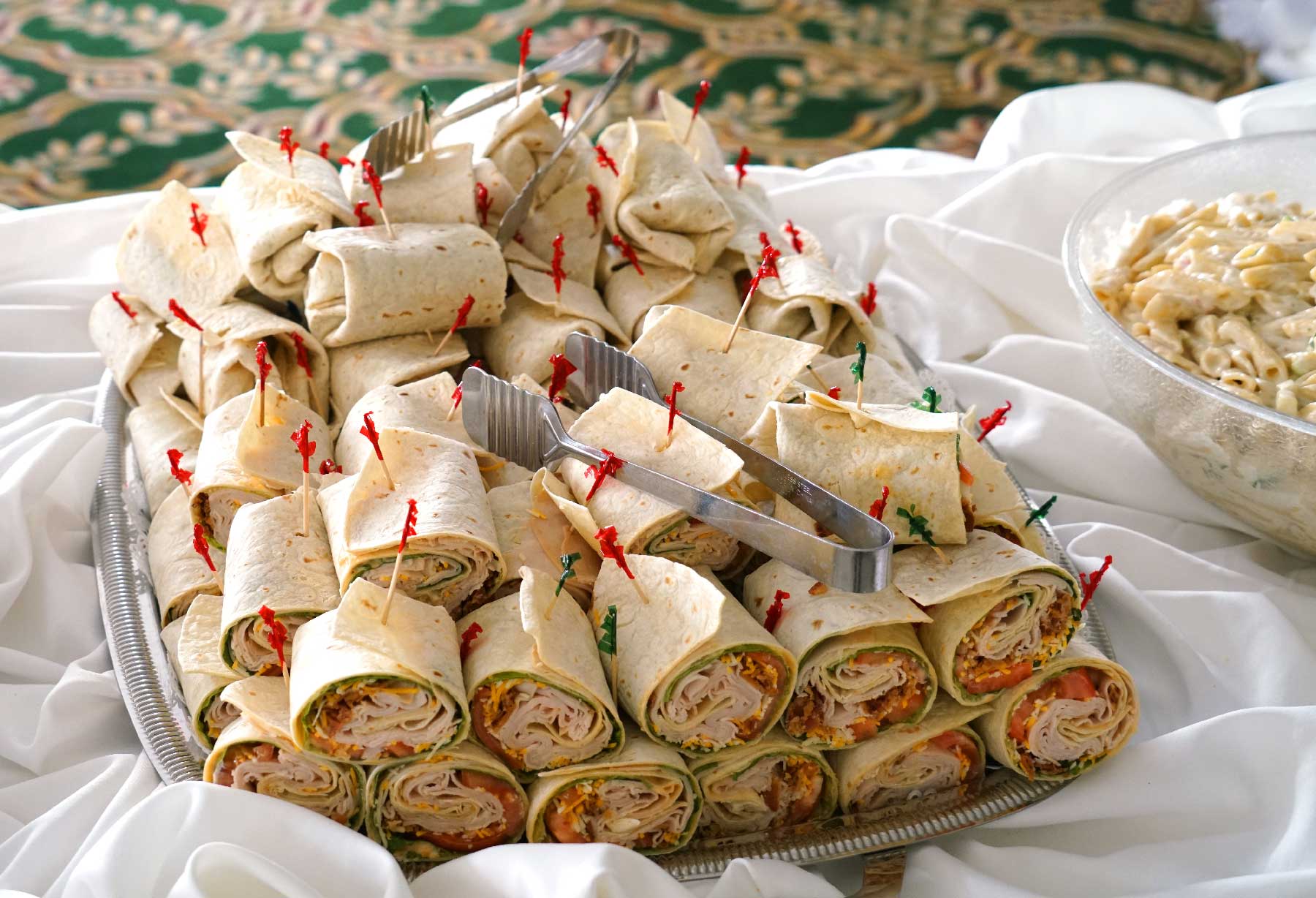
Finger food served from beautiful boards, tiered stands, slate surfaces, or even simple white platters instantly reads as intentional and considered. Food piled onto a plastic tray from a party supply shop does the opposite.
If you’re working with a caterer, ask about their presentation approach. Do they bring their own serving equipment? Do they set up the spread, or hand it off at the door? Do they offer passed service, where staff circulates with trays, or a stationed setup? Both can work beautifully outdoors, but passed service in particular adds a layer of polish that transforms the atmosphere almost immediately.
Think About the Flow of the Evening
The best finger food menus aren’t just a list of dishes. They’re planned around the rhythm of the event.
Lighter, fresher bites work well early: crudités, bruschetta, blinis, and cold seafood. As the evening progresses and the sun goes down, guests naturally want something warmer and more substantial. That’s when the sliders, the arancini, the pulled pork bao come out.
A good caterer will help you think through this arc. Not just what to serve, but when, and in what order. That timing is a big part of what makes a party feel effortless to guests, like someone thought of everything.
Budget Smarter, Not Harder
One concern people often have about professional catering is cost. It’s worth knowing the real numbers. Buffet-style catering typically costs between $10 and $14 per person, while catered finger foods run $14 to $18 per person, a modest step up for a noticeably better experience. Sit-down formal dinners, by contrast, can run $120 or more per head.
Finger food catering sits at a smart middle ground: more polished than a self-catered spread, significantly more affordable than a plated dinner. For most backyard events, it’s the most cost-effective way to genuinely impress your guests.
A Few Practical Things Worth Discussing With Your Caterer
Before you finalise anything, make sure you cover:
- Guest numbers and duration: these two factors drive everything else
- Dietary requirements: gather these from your guests in advance if possible
- Service style: passed trays, stationed spread, or both
- Setup and pack-down: will the caterer handle it, or do you need help?
- Equipment: do they bring their own serving pieces, or will you need to provide anything?
- Timing: when does food start being served, and what’s the plan for keeping it fresh outdoors?
None of this is complicated, but getting clarity on all of it before the day saves a lot of stress.
The Bottom Line
A backyard party can feel just as warm, polished, and memorable as any venue event. The difference is almost always in the food, not the budget, not the setting, not the guest list. When you get the food right, everything else falls into place.
Finger food catering, done properly, is one of the most versatile and practical ways to elevate an outdoor gathering. It keeps guests comfortable, keeps the mood light, and takes the pressure off you as a host to manage a complicated meal. You get to actually enjoy the party you planned.
If you’re in the early stages of thinking about an upcoming event and want to talk through what a finger food menu might look like, get in touch. We’d love to help you put something together.
Delivery Sydney-Wide
We deliver delicious and affordable gourmet finger foods to areas right across Sydney, including: