

A menu is just a description until you’ve actually eaten it. Here’s what a tasting is really for, and how to get the most out of yours.
Booking catering for an event you care about means trusting someone you’ve probably never met to feed everyone you know. That’s a lot to hand over based on a PDF menu and a few photos. A tasting is how that trust gets built properly, before the day itself, not on it.
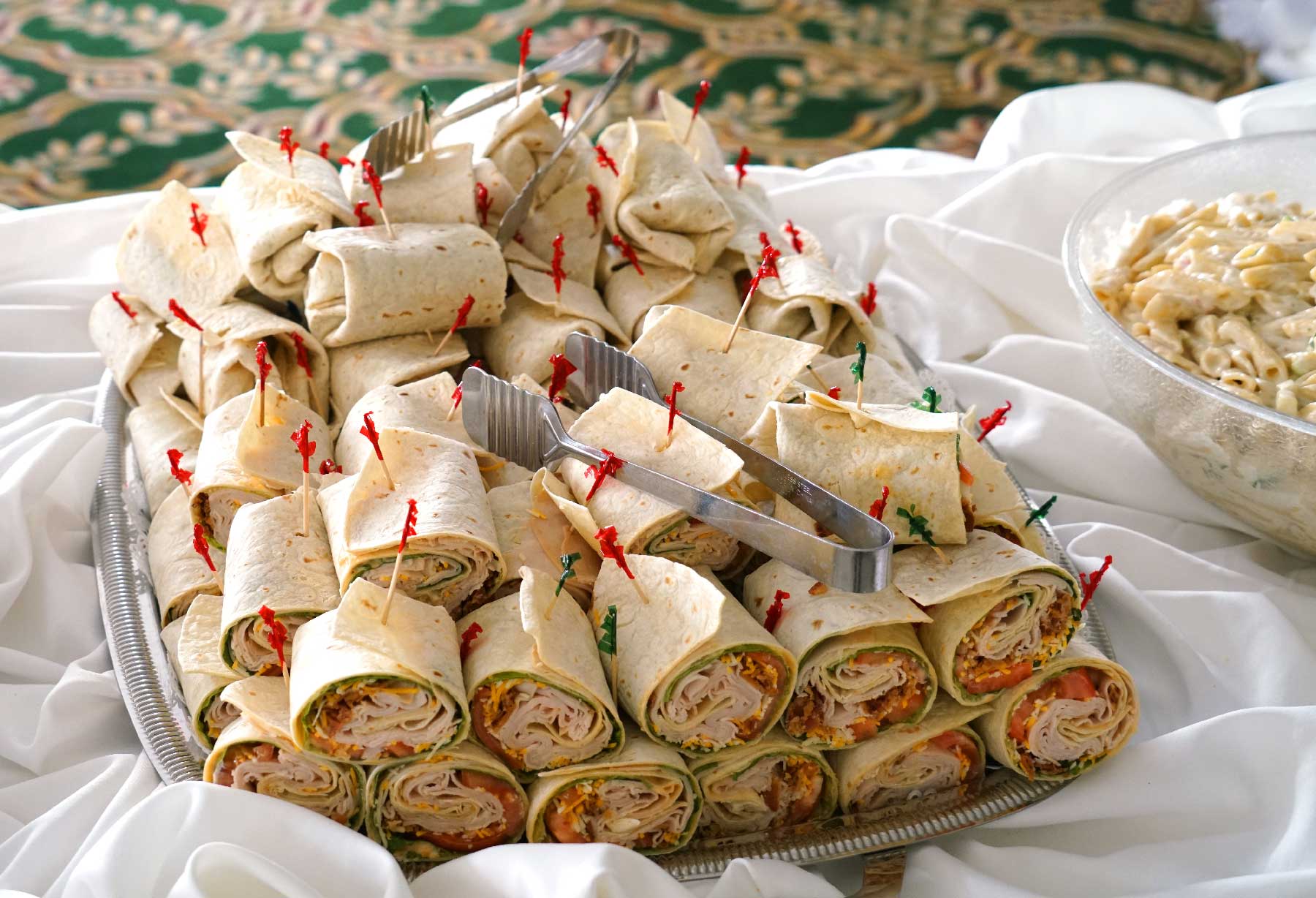
It isn’t a nice extra we offer to be generous. It’s the one part of the process where you get to check, with your own senses, whether what’s written on the menu actually holds up on a plate, or in this case, on a napkin, standing up, at a party.
Menus are just words
“Slow-roasted,” “house-made,” “with a citrus glaze”, every one of those phrases sounds appealing, and every one of them is doing a job description’s amount of work. It can’t tell you if the pastry stays crisp after sitting on a platter for an hour, whether the seasoning is bold enough to survive being eaten cold, or whether the texture works as finger food at all. Only tasting it does that.
Guests notice food more than almost anything else at an event, which is exactly why we don’t want the first time you taste ours to be the day 80 people are watching.
In The Knot’s 2021 Real Weddings Study, roughly 57% of couples said food and drink were the most important thing to get right when planning their event, ahead of almost every other line item on the budget.
What we’re really testing
When you sit down for a tasting, you’re not just trying a few dishes, you’re stress-testing them the way they’ll actually be used on the day.
- How it holds. Finger food is rarely eaten straight out of the oven. It’s plated ahead, carried to a table, and left sitting under lights for a while. We taste it at rest, not fresh, because that’s the honest version of what your guests will get.
- How it behaves in the hand. No plate, no cutlery, often no napkin close by. If a bite collapses, drips, or needs two hands, it’s not finger food yet, it just looks like it on the menu.
- How it sits next to everything else. One rich, punchy dish is memorable. Twelve of them in a row is exhausting. Part of a tasting is checking the whole spread balances, salty against sweet, warm against cold, heavy against light.
- Whether it scales. A dish that’s perfect for two people needs to taste exactly the same when it’s made three hundred times in one afternoon. That consistency is worth confirming before, not after, you’ve committed.
What you should be looking for
As the person booking, your job at a tasting isn’t to be polite, it’s to be a little demanding. A few things worth paying close attention to:
- Ask to taste it as it will be served. If your event runs for three hours, ask what the food tastes like after sitting for one. A good caterer will already have an answer.
- Check the texture, not just the flavour. Sogginess, dryness, and anything sticky travel badly. It’s easier to notice at a small table than a crowded one.
- Ask what’s actually in it. Not to be difficult, because it matters more than most people assume.
- Look at the portion and the presentation. Grazing food should be sized for one or two bites and easy to pick up without a second thought.
- Ask how substitutions work. Can a dish be swapped for a dietary need without becoming an afterthought version of the original?
According to the CDC’s 2021 National Health Interview Survey, around 6.2% of U.S. adults have a diagnosed food allergy, and that figure doesn’t include intolerances, religious observance, or the growing number of people eating plant-based. Put plainly: at any event with more than a handful of guests, someone will need an option that isn’t the default one. A tasting is the right time to find out how well that’s handled, not the middle of service.
Questions worth asking out loud
Bring these along, a good caterer will enjoy answering them
- How long before serving was this made, and how will it be held on the day?
- What happens if my guest count goes up by twenty at the last minute?
- Can I try the gluten-free or vegan version of this dish, not just hear about it?
- Is this priced per person, per platter, or per piece?
- What’s the one dish on this menu you’re proudest of, and why?
A tasting takes an hour or two out of your planning. What it saves you is finding out, in front of your guests, that something didn’t work the way it looked on paper. Food is one of the few parts of an event people still talk about weeks later, it’s worth getting right before the invitations go out, not after. Come hungry. Ask questions. Tell us honestly what you think.
Delivery Sydney-Wide
We deliver delicious and affordable gourmet finger foods to areas right across Sydney, including: