

You’ve spent months getting ready for this moment. The product is polished, the venue is booked, the guest list is confirmed, and the presentation has been rehearsed a dozen times. But before anyone hears a single word about what you’ve built, they’ll have already formed an opinion about your event, and that opinion often starts at the food table.
It sounds like a small detail next to everything else riding on a launch. It isn’t. Food shapes how people feel the moment they walk in the room, and that feeling colours everything that follows.
Why the Food Comes Before the Pitch
Guests don’t experience a launch as a series of separate parts: the venue, the speech, the drinks, the product itself. They experience it as one continuous impression, and the food is usually the first thing they interact with. A cold, awkward mingling period before anything has been said can undercut even the best-prepared presentation.
Research on corporate food functions backs this up. A study published in the Journal of Convention & Event Tourism found that the quality of food served at an event was the single strongest predictor of how satisfied attendees felt overall, and that satisfaction directly shaped whether people said they’d come back to a future event (tandfonline.com). In other words, the sandwich tray isn’t a side note; it’s doing real work on how your brand is remembered.
Separate data reported by Food & Wine puts a number on just how much people fixate on food at events: more than eight in ten guests said their first impression of the food was the part of the event they remembered most clearly, and roughly three-quarters said food was what stuck with them from the day overall (chicchefcatering.com). If your launch is competing for a slice of that memory, plain sandwiches on a tray simply won’t hold their own.
Why Finger Food Works So Well for Launches
Product launches have a particular rhythm. There’s a mingling period, a moment where attention turns to the announcement, and then more mingling once the news has landed. People need to be able to hold a drink, shake a hand, glance at the product on display, and eat, often all within a minute or two of each other. A three-course sit-down meal fights against that rhythm. Finger food moves with it.
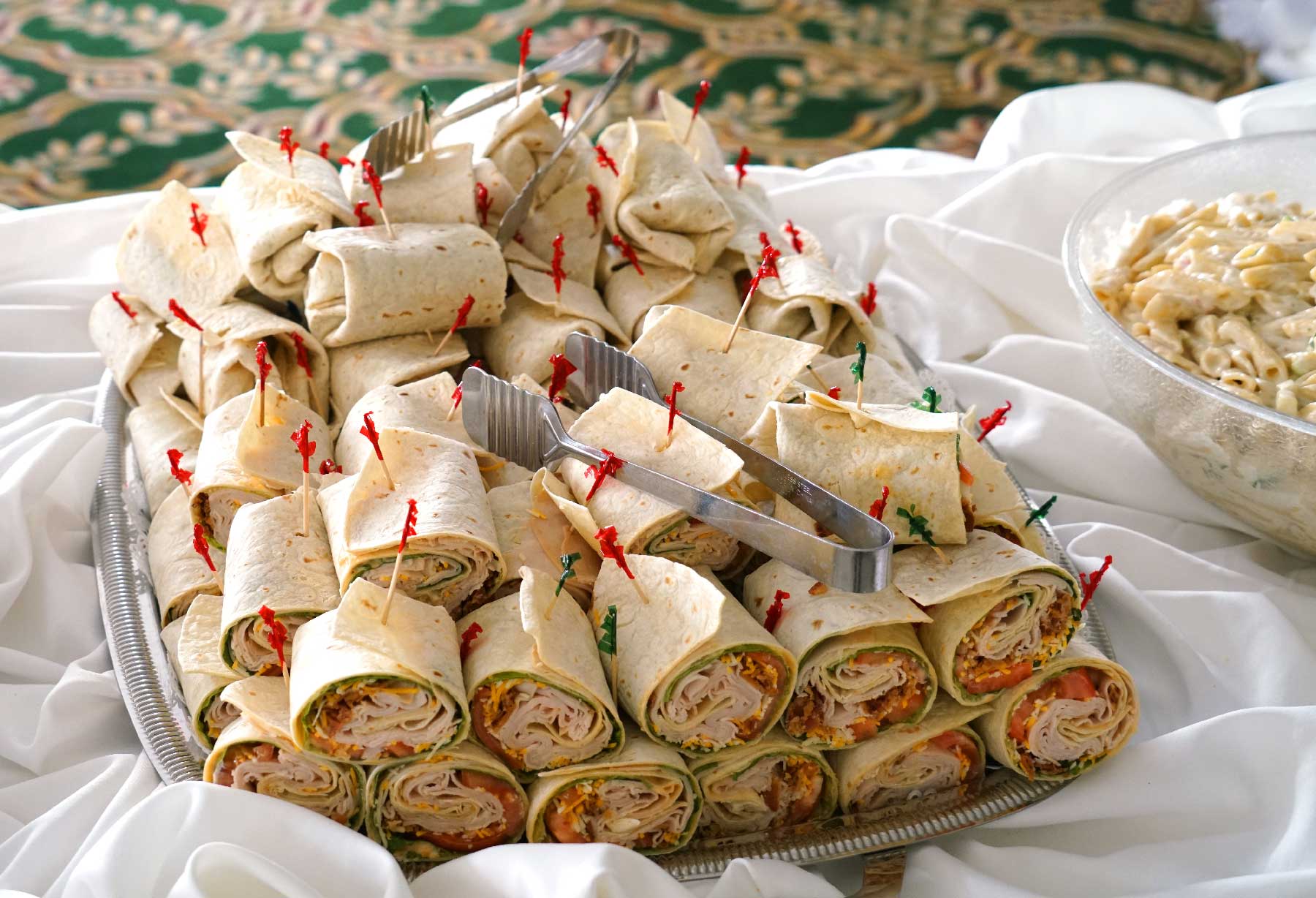
Good canapés and bite-sized dishes let guests keep circulating instead of getting stuck at a table. That matters more than it might seem: conversation and movement are part of what makes a launch feel alive rather than stiff. Caterers who work regularly with product launches point out that these events call for food with energy behind it, bold flavours, bright presentation, and dishes that photograph well, since a launch is exactly the kind of event guests are likely to share online (canapesusa.com).
There’s also a practical budget angle worth knowing. Industry-wide research from Cvent found that as event costs have tightened in recent years, cutting food and beverage spend has become one of the more common ways companies try to save money, but planners are increasingly cautious about doing that, because it’s one of the areas guests notice first (cvent.com). Finger food catering is a natural way to protect the guest experience without needing the biggest budget in the room. A well-designed selection of canapés, skewers, and small plates can carry the same impact as a lavish spread, at a fraction of the cost and complexity.
What Good Launch Catering Actually Looks Like
There isn’t one right menu for a product launch, but a few things tend to separate the launches people remember from the ones they forget.
It matches the pace of the room. Food that can be eaten one-handed, standing up, mid-conversation, is the whole point. If guests need a knife and fork, they’re sitting down, and once they’re sitting down, they’ve stopped mingling.
It reflects something about the brand. This doesn’t mean printing your logo on a cracker. It can be as simple as a colour palette that echoes your product, or a menu built around a theme that ties back to what you’re launching. Guests pick up on these details even when they can’t quite say why the event felt cohesive.
It’s varied enough that nobody feels like an afterthought. Vegetarian, vegan, and allergy-friendly options shouldn’t be a last-minute add-on. A guest who has to ask a server what’s safe for them to eat is having a worse experience than one who doesn’t have to ask at all.
It keeps moving. Passed canapés and small food stations keep the room active. Long queues at a single table do the opposite; they create the exact kind of friction that research on event catering says drags down guest satisfaction, no matter how good the speeches are (vanilla-bean.co.uk).
The Bottom Line
Nobody attends a product launch for the food. But they’ll remember how the food made the room feel, whether they were still hungry twenty minutes in, and whether it was easy to grab a bite while they were talking to someone interesting. Get that right, and it becomes part of the story people tell about your brand afterwards. Get it wrong, and it’s the thing that quietly undercuts everything else you worked so hard to build.
If you’re planning a launch and want the catering to feel as considered as everything else on the day, finger food is worth a serious look. It’s flexible, it keeps people moving and talking, and, done well, it can say almost as much about your brand as the product itself.
Delivery Sydney-Wide
We deliver delicious and affordable gourmet finger foods to areas right across Sydney, including: