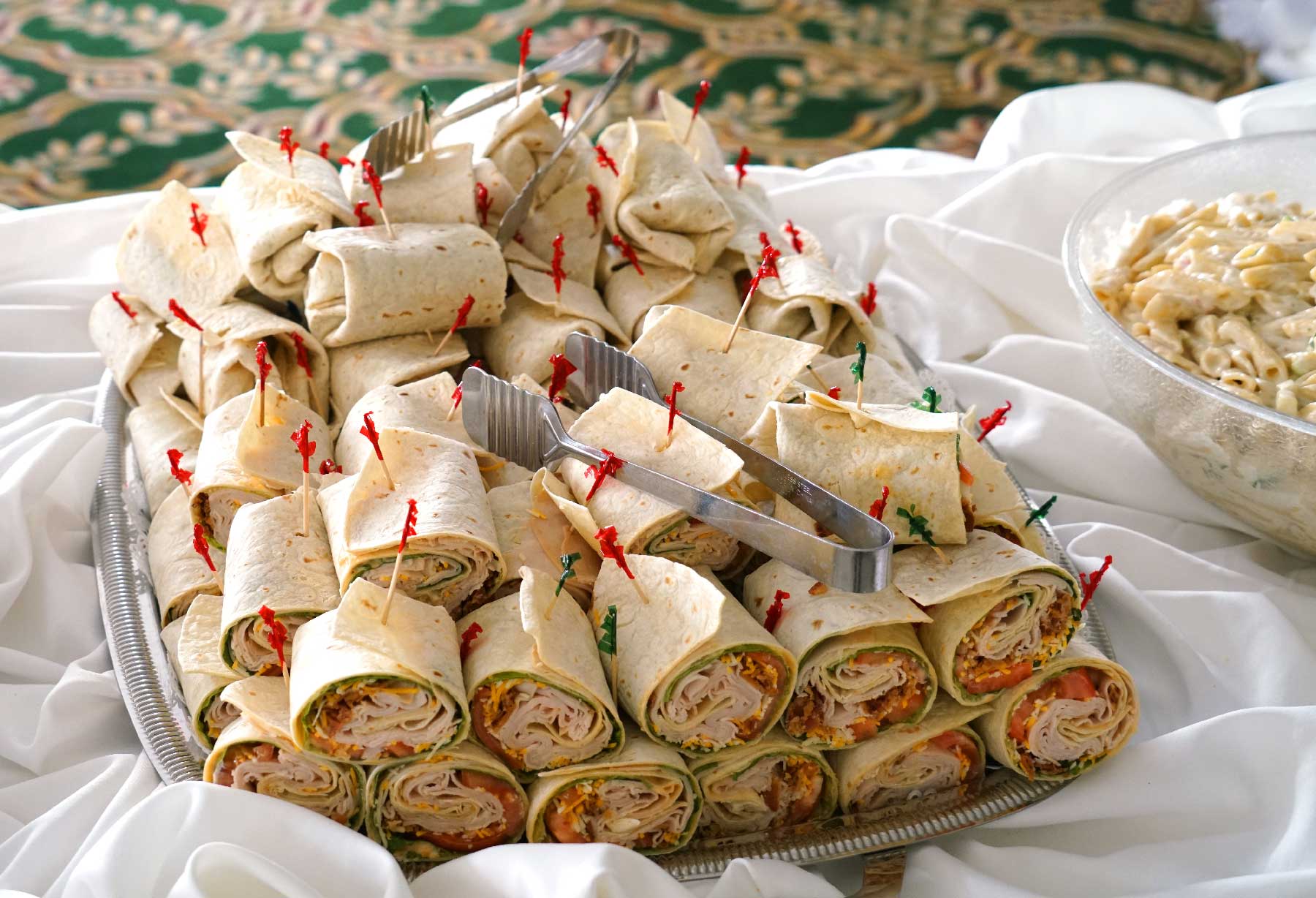


When you picture catering, you probably picture the moment the food arrives: platters carried in, trays arranged just so, that first bite of something warm and unexpected. But that moment is really the last five minutes of a process that started days earlier. Long before a single canapé reaches your guests, there’s a whole quiet operation happening behind the scenes, one most clients never see.
If you’re weighing up finger food catering for an upcoming event, it helps to know what you’re actually paying for. So here’s a look at what a caterer’s week really looks like, from the first phone call to the moment the van pulls up outside your venue.
It Starts With a Conversation, Not a Kitchen
The work begins well before any cooking. A good caterer spends time understanding your event: how many guests, what time of day, whether it’s a wedding, a work function, or a backyard celebration, and what your guests actually like to eat. Dietary needs get flagged early, because they shape everything that follows, the menu, the shopping list, even how food is kept separate during prep. This matters more than people expect: research on the catering industry suggests that around 40% of clients raise food allergies as a factor in their event planning, so it’s rarely a small side note.
Menu planning also comes down to taste, not just logistics. Studies of catering trends have found that a large share of clients, close to 80% in some surveys, want menus adapted to their specific event rather than a generic set list. That’s why a decent finger food menu conversation feels more like a chat about your event than a form to fill in.
Sourcing: The Part Nobody Sees
A few days out, the sourcing begins. This is where a caterer’s relationships with butchers, bakers, growers, and suppliers actually pay off. Quality ingredients bought fresh, rather than in bulk weeks ahead, make a noticeable difference in finger food especially, where every bite is small and every flavour has to carry its weight.
There’s also a growing client expectation around where food comes from. Industry data shows that roughly 78% of catering clients now prefer locally sourced or organic ingredients when given the choice. That preference shapes which suppliers a caterer builds relationships with in the first place, long before your event is even booked.
The Day (or Two) Before: Prep Begins in Earnest
This is where the real work happens. Doughs are made and rested. Sauces are reduced. Anything that can be prepared ahead without losing quality gets done now, so that the day of the event is about assembly and finishing, not starting from scratch under pressure.
Portioning is a big part of this stage too, deciding exactly how many pieces of each item to make. This is a more careful balancing act than it looks. Caterers have to plan for enough food that no one goes hungry, but not so much that trays of good food end up in the bin. It’s a real industry-wide challenge: studies of event catering estimate that somewhere between 15% and 20% of all food prepared for events goes to waste, often from over-ordering “just in case.”
This is actually one of the quieter advantages of finger food. Because it’s portioned and served in individual pieces rather than piled onto a buffet, it’s easier to plan quantities accurately and top up gradually rather than guessing at a large spread. Guidelines on catering waste specifically note that tray-served finger food tends to generate noticeably less waste than a self-serve buffet, simply because portions are controlled from the start rather than piled onto a plate and left half-eaten.
The Morning Of: Cooking, Plating, and a Very Full Kitchen
On the day itself, things move quickly. Items that need to be served warm are cooked as close to departure time as possible. Cold canapés are assembled and arranged. Garnishes go on last, so nothing wilts or dries out before it reaches you.
This is also when staff briefings happen. Everyone working your event needs to know the run sheet: arrival time, table layout, service style, and any last-minute changes you’ve mentioned. A finger food event often runs on tighter timing than a sit-down meal, since food is served in waves rather than all at once, so this planning stage matters more than it might seem from the outside.
Packing and the Drive Over
Getting food from a kitchen to your venue in good condition is its own skill. Warm items go into insulated carriers. Cold items are packed with ice or chilled boxes. Trays are loaded in a specific order, so the first things off the van are the first things that need setting up. None of this is dramatic, but it’s the difference between food that looks and tastes the way it should and food that’s had a rough trip.
Why It Matters to You
None of this is meant to be a behind-the-scenes tour for its own sake. It’s meant to explain why a good finger food caterer can feel more expensive, or more particular about timelines, than you might expect. The days before your event are where the actual quality of the food gets decided, not the hour it’s served. So when a caterer arrives at your venue with everything ready to go, that calm is the result of a lot of unseen work: sourcing, prepping, portioning, and packing done with your specific event in mind. If you’re planning something and want food that guests actually remember, it’s worth choosing a caterer who takes that early stage seriously, because by the time the trays hit the table, most of the important decisions have already been made.
Delivery Sydney-Wide
We deliver delicious and affordable gourmet finger foods to areas right across Sydney, including: